
bespoke
Why a demo is not enough
A demo convinces in a presentation and falls silent the moment real users ask it real questions. The difference lies in what sits underneath: data that has been cleaned up, a measure that is fixed in advance, and a system that shows where an answer comes from. We build in a way that lets you check whether it is right, and that can then be taken into operation.
What you get
- 01
Benchmark with a known outcome
A fixed set of questions with an approved answer. We measure every version against it, so quality is a number and not a feeling.
- 02
Working solution in phase 1
Something that runs on real data and is used by real users. Not a clickable demo.
- 03
Citations and explainability
Every answer or piece of advice shows where it comes from, so someone can check it before acting on it.
- 04
Code and documentation
You keep the code and the documentation. Where we can, we build on open source, as with GKN Vector Search.
What we build
View our workRAG on large datasets
Retrieval-augmented generation and semantic search across hundreds of thousands of sources.
Multi-agent systems
Collaborating agents under an orchestrator for multi-step tasks.
Explainable prediction models
Machine learning that shows where a prediction comes from.
Benchmarking and evaluation
Measuring quality with RAGAS and our own benchmarks, among others.
How we go about it
Our way of working- Step 1
Align on the problem
We sit down with the people who will work with it before there is a line of code. They decide what a good answer is.
- Step 2
Data exploration
We get into the real data: how complete is it, how consistent, and what is missing. That determines what is feasible.
- Step 3
Set up benchmarks
Question-answer pairs with a known outcome, drawn up together with the domain experts. This is the measure for everything that follows.
- Step 4
Build the first version
A working solution on real data, tested against the benchmark. Phase 1 delivers something that runs.
- Step 5
Optimise and measure adoption
We improve based on the benchmark and on real use, and hand over to operations.
Work in this line
All cases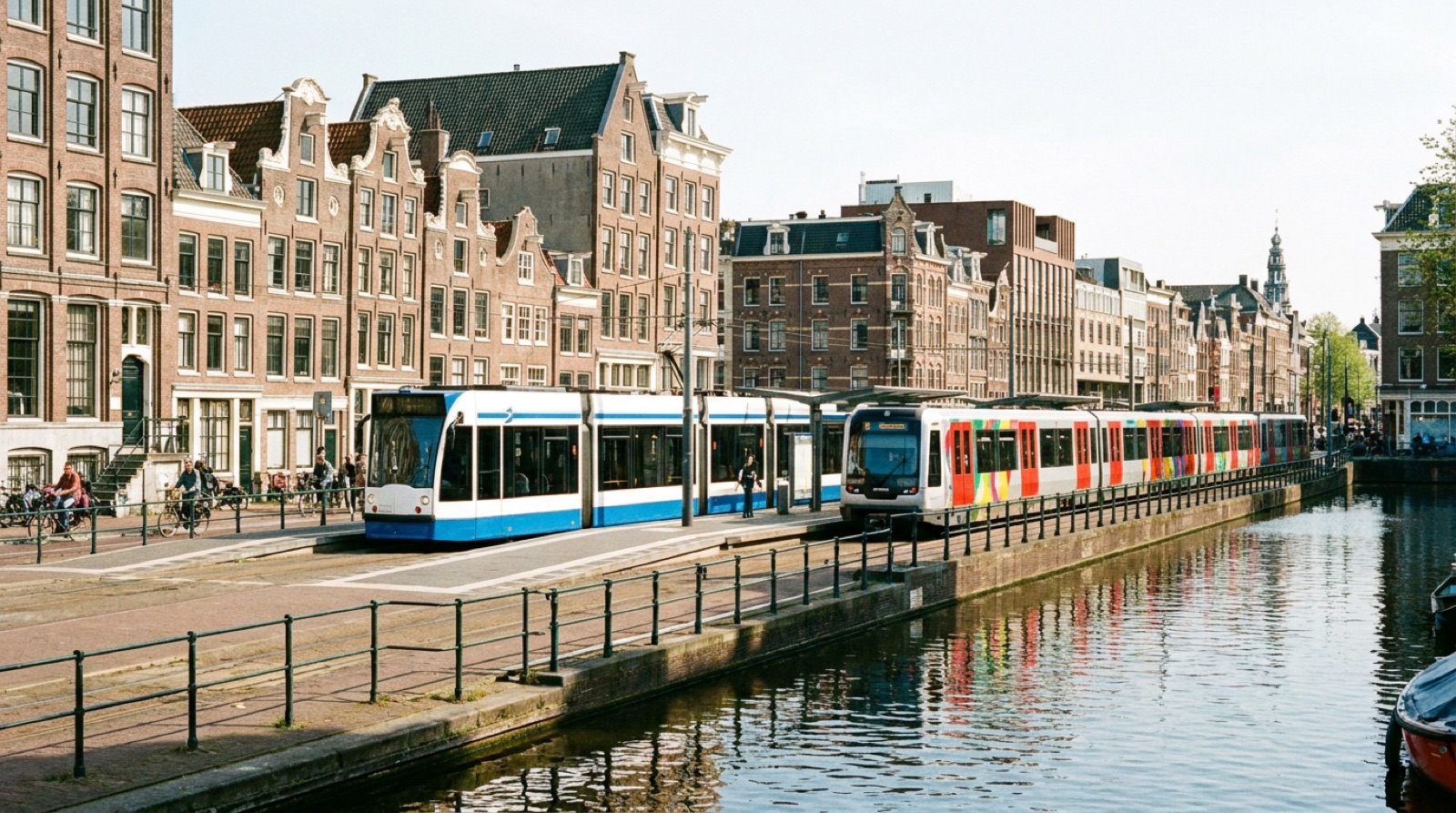
Planning bus, tram and metro more intelligently.
The Hybrid Intelligence Planning Engine, built with three transport operators. After a successful first phase, it is on its way to daily use.
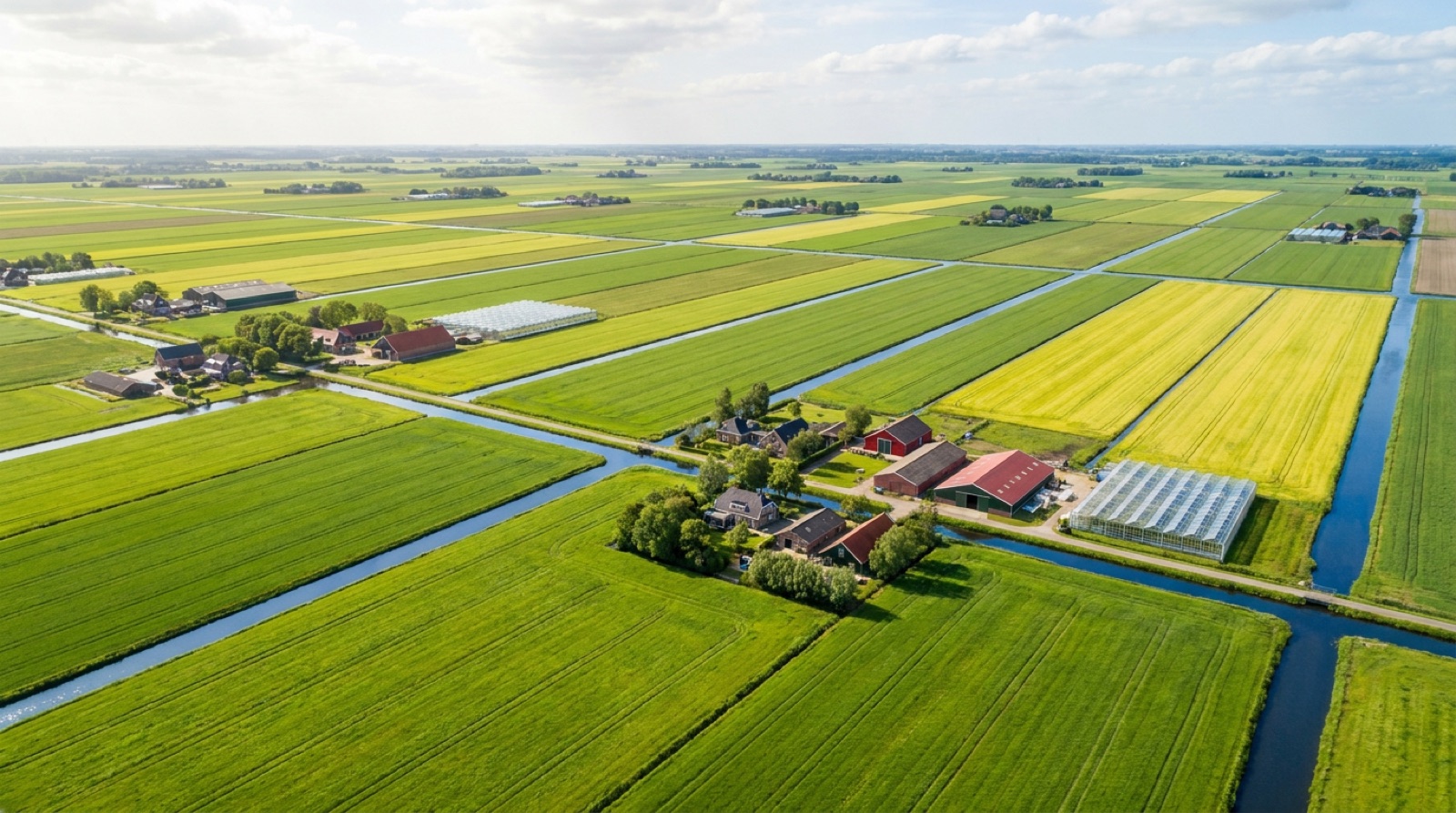
Regional knowledge in minutes instead of hours.
AI for Regional Expertise, with the Ministerie van LVVN and DICTU. Fragmented sources brought together into searchable knowledge.
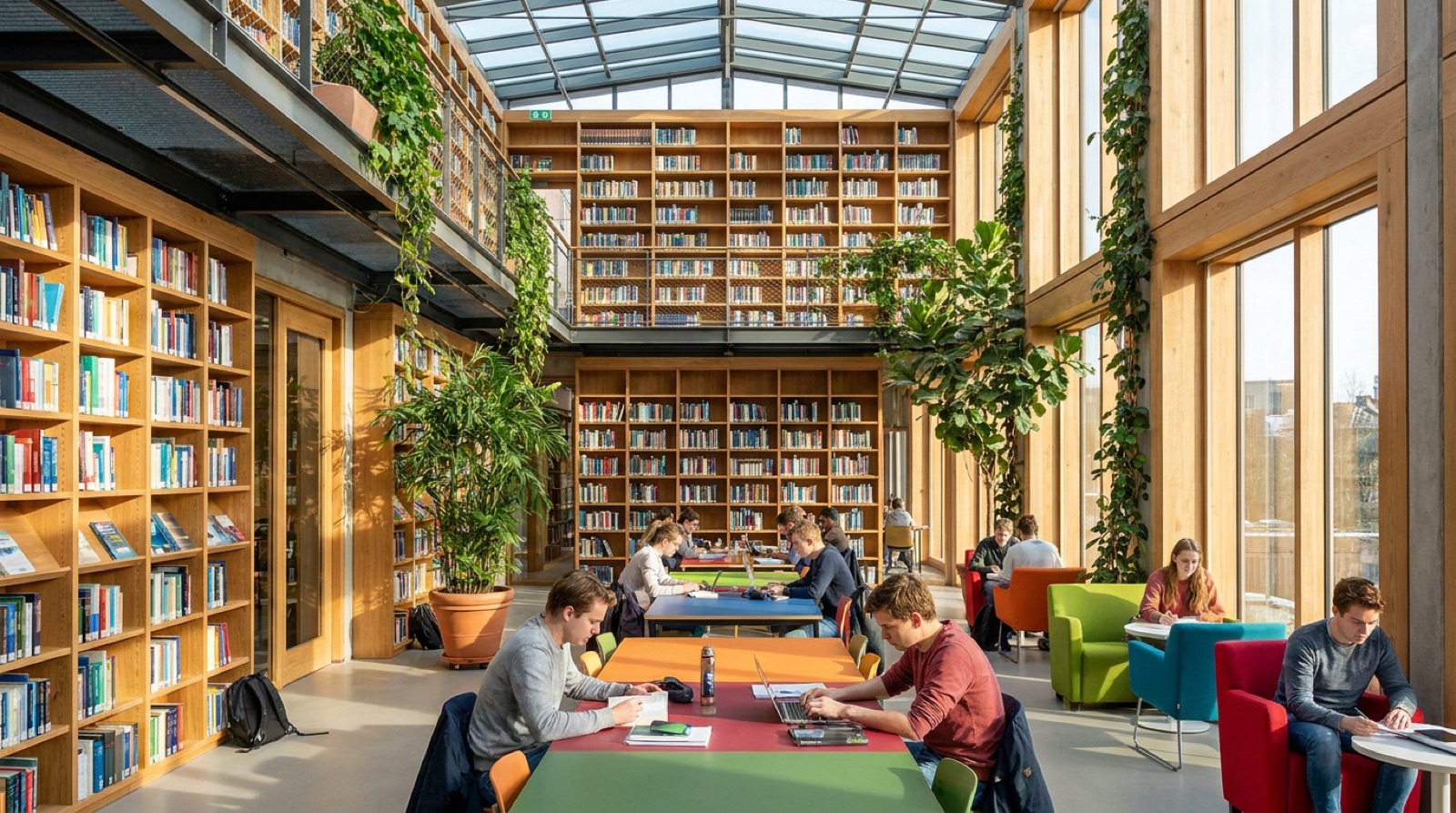
Making research material searchable.
Semantic search across the Groen Kennisnet knowledge library, fully sovereign and on open source.
Frequently asked questions
What if the data turns out not to be good enough?
Then you see that in the data exploration, before we start building. You can then adjust: choose a different application, get the data in order first, or stop. That is cheaper than finding out halfway through.
Which models and tools do you use?
Whatever fits the question and the requirements on where data may sit. For GKN Vector Search that was open source, including the Dutch Weaviate. For Vink Bouw we built in Google Gemini Enterprise.
Can the solution run in our own environment?
Yes. AIRE runs entirely in a Dutch private cloud and GKN Vector Search in a data centre in Amsterdam. You decide where it runs; we build it so that it can.

Grab a coffee with Daan. We think along, no strings attached.
We would love to hear what AI challenges you run into within your organisation. Together we figure out what the first step would be.